


.webp)

.png)
Martial Arts in the Canadian Military: Bill Underwood, Combato and Defendo
Long before modern close-combat programs became part of military training, Canadian soldiers were learning how to fight without weapons.
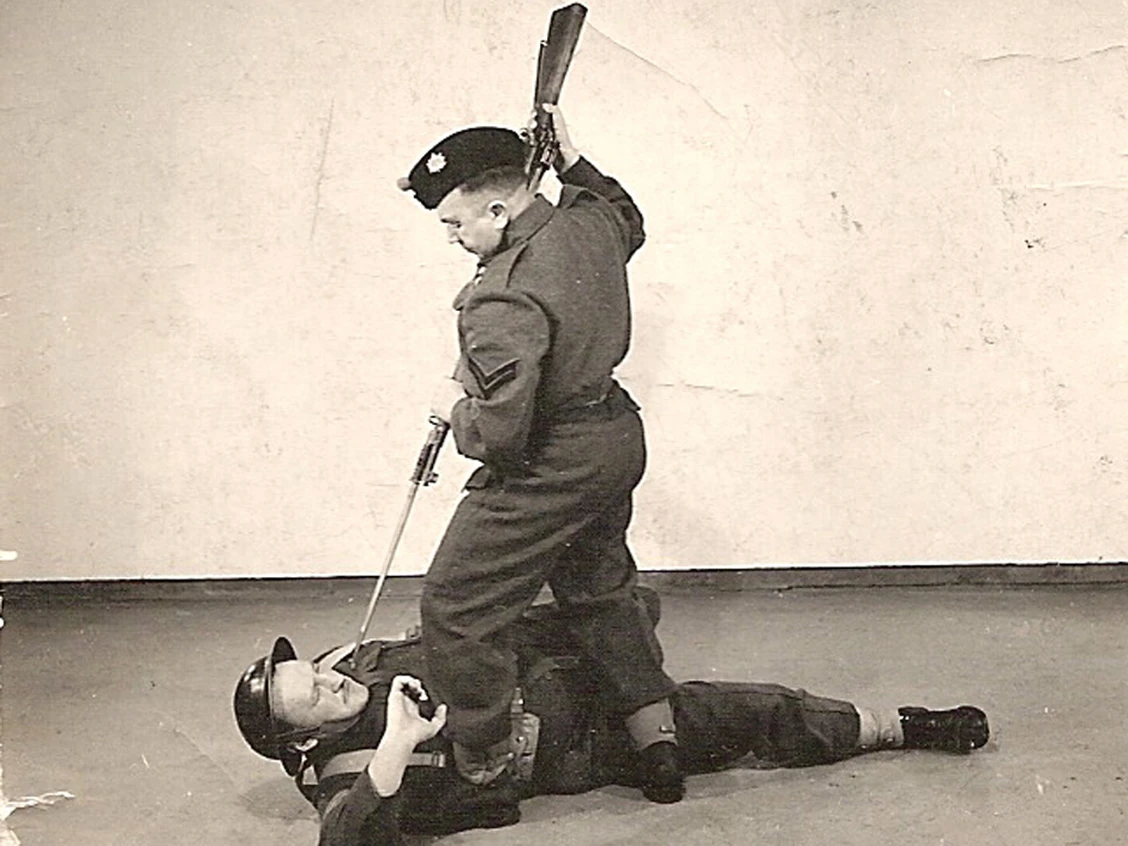
During the Second World War, one of the earliest organized systems of unarmed combat taught to Canadian military personnel was Combato, a practical fighting method developed by Canadian instructor Bill Underwood.
Influenced by jiu-jitsu, boxing and wrestling, Combato was designed for one purpose: to give soldiers simple, effective techniques they could use in close combat. Underwood's work would become an important chapter in the history of unarmed-combat training in Canada and, after the war, would evolve into a system known as Defendo.
Before Combato
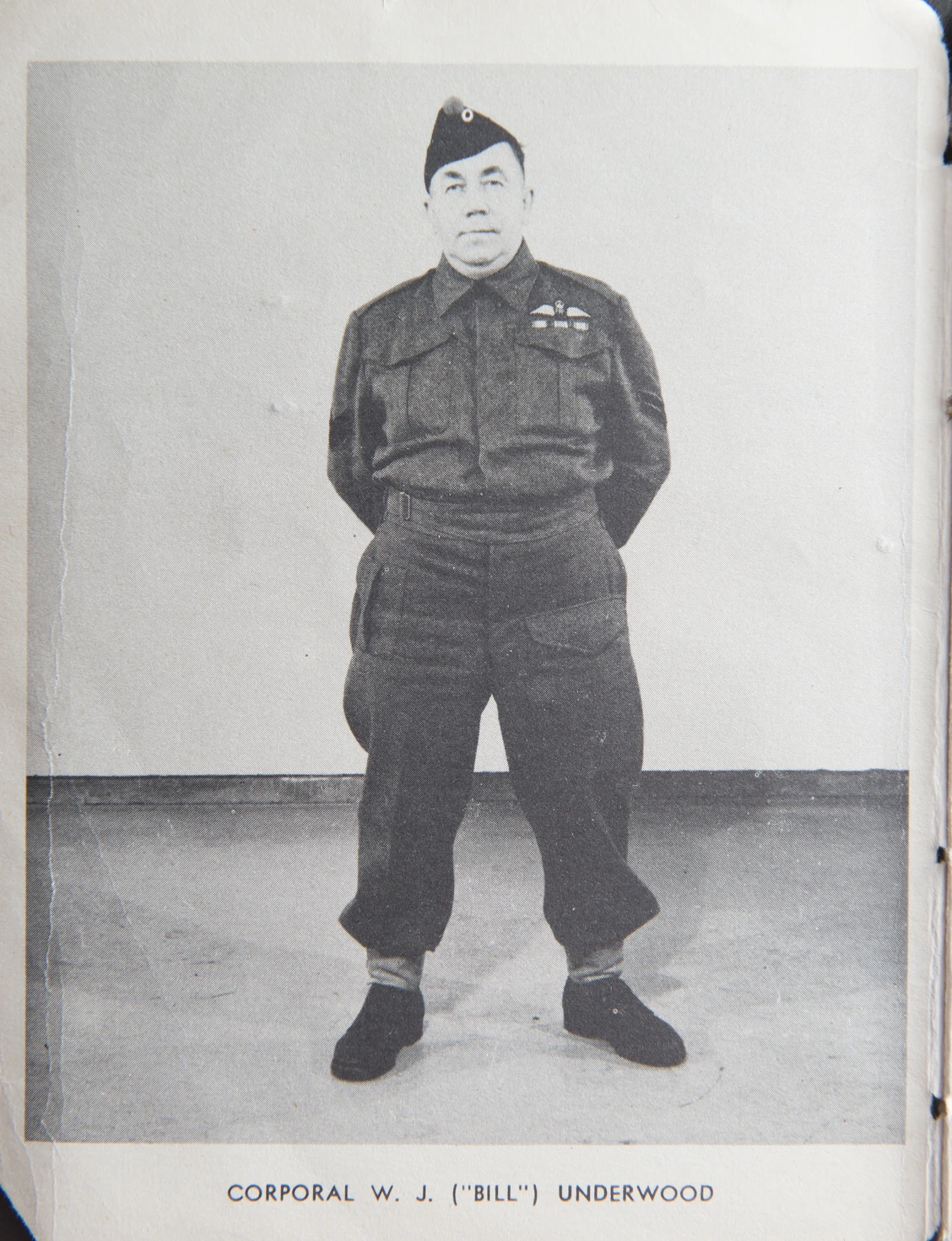
William J. "Bill" Underwood was born in Manchester, England, in 1895 and moved with his family to Liverpool as a child.
While working around a Liverpool vaudeville hall as a young boy, Underwood watched demonstrations by Japanese jiu-jitsu practitioners, including Yukio Tani and Taro Miyake. Their techniques made a lasting impression on him.
After moving to Canada, Underwood began demonstrating and teaching his developing fighting methods in Montreal while still in his teens. Rather than adopting a single established martial art, he combined techniques inspired by jiu-jitsu with elements of Western boxing and wrestling.
The result was a practical approach to hand-to-hand fighting that would eventually become known as Combato.
War and the Need for Practical Combat Training
Underwood enlisted in the Canadian Army at Valcartier, Que., on Sept. 21, 1914. He was assigned regimental number 25899 and served with the14th Battalion of the Canadian Expeditionary Force.
His experiences during the First World War reinforced an idea that would remain central to his teaching: techniques intended for combat had to be simple enough to use under stress.
There was little value, in Underwood's view, in complicated sequences that could not be applied quickly when a soldier was tired, frightened or fighting at close range.
That emphasis on simplicity and practicality became the foundation of Combato.
Combato and the Second World War
By the beginning of the Second World War, Underwood had spent decades developing and teaching his system.
At 44, he was considered too old for active overseas service. He instead joined The Queen's Own Rifles of Canada in a Reserve or Militia capacity.
It was there that Combato began to find a military audience.
Underwood demonstrated his techniques to soldiers and was permitted to provide training to recruits. His instruction later reached personnel from other units.
Canadian military historical research describes Combato as the first unarmed-combat system taught to Canadian military personnel during the Second World War and identifies Underwood as an important instructor in central and eastern Canada.
Combato was not a traditional martial art in the ceremonial or sporting sense. It was designed around the realities of military combat.
The objective was not competition or scoring points. Soldiers needed techniques that could quickly stop an opponent, create an opportunity to escape or allow them to continue fighting.
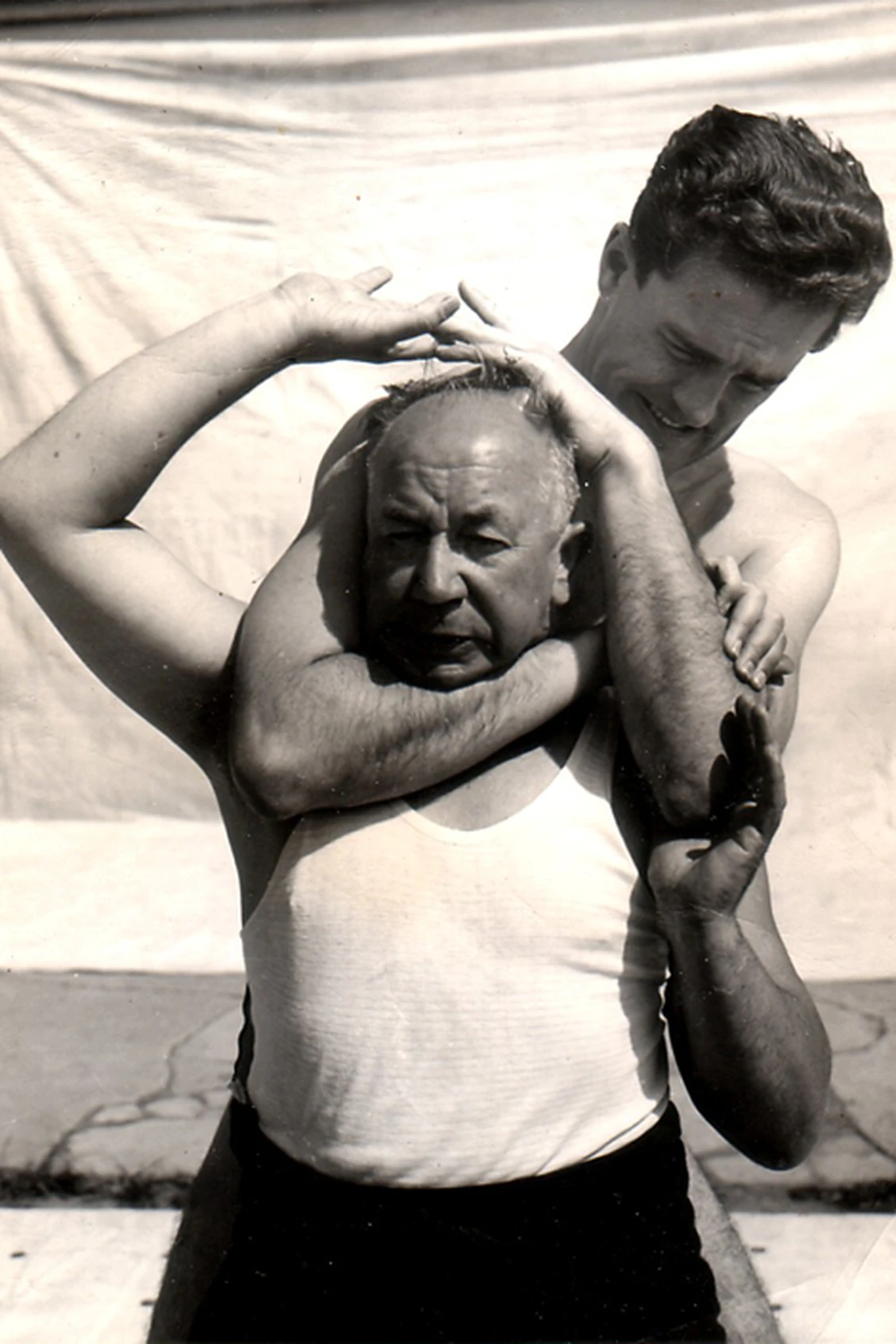
Underwood emphasized leverage, speed, balance and the use of an opponent's momentum rather than physical strength alone.
The approach made the system particularly useful for military training, where soldiers varied considerably in size and physical ability.
Training Beyond Canada's Forces
Underwood's wartime activities were not limited to Canadian personnel.
Historical accounts describe him providing instruction and demonstrations in the United States and training military and law-enforcement personnel.
Canadian military research records Underwood's own accounts of working with American personnel, including Rangers, as well as recollections connecting him with organizations such as the Federal Bureau of Investigation and the New York Police Department.
The surviving documentation is incomplete, however, and some details of his wartime work are based primarily on oral histories and later recollections.
That distinction becomes particularly important when examining one of the most discussed parts of Underwood's career: Camp X.
The Camp X Connection
Underwood has long been associated with Camp X, the secret wartime training facility near Whitby, Ont., officially known as Special Training School No. 103.
Camp X provided specialized wartime training connected to intelligence and clandestine operations.
Later accounts have associated Underwood with unarmed-combat training connected to Camp X and organizations including the British Special Operations Executive, the American Office of Strategic Services and British Security Coordination.
The documentary record, however, is limited.
Canadian military historical research notes that no firm surviving documentation directly establishes Underwood as an official instructor within a Canadian special operations organization.
His connection to wartime intelligence training is therefore best understood through a combination of circumstantial evidence, personal recollections and later accounts rather than as a completely documented military posting.
What is much clearer is Underwood's role in teaching Combato to Canadian military personnel during the war.
From Battlefield Combat to Defendo
The end of the Second World War changed the purpose of Underwood's training.
Combato had been created for wartime conditions, where seriously injuring or disabling an opponent could be necessary. Those techniques were less appropriate for police officers or civilians dealing with everydaythreats.
Underwood began modifying his system.
By 1945, the revised approach placed greater emphasis on control, restraint and self-protection. At the suggestion of one of his daughters, the new system became known as Defendo.
The distinction was important.
Combato was built for combat.
Defendo was built around defence.
Underwood increasingly taught the revised system to law-enforcement personnel and civilians throughout Canada and the United States.
His 1949 book, Defendo: Police System of Self-Defence, helped formalize the system and its application to police work.
Martial Arts and the Canadian Military
Underwood's story represents an early stage in the broader development of hand-to-hand and close-combat training within Canada's military.
Military approaches to unarmed combat have continued to change as operational requirements, training methods and knowledge of martial arts have evolved.
Modern military close-combat training draws from a much wider range of techniques and disciplines than those available during Underwood's era.
But the principle behind Combato remains familiar: military self-defence training must work under pressure.
It must be practical, straightforward and adaptable to the person using it.
In that respect, Underwood was working with ideas that would continue to influence military combatives long after the Second World War.
A Canadian Pioneer
Underwood eventually became known well beyond military circles.
He continued teaching and demonstrating Defendo into his later years, including demonstrations for Canadian soldiers.
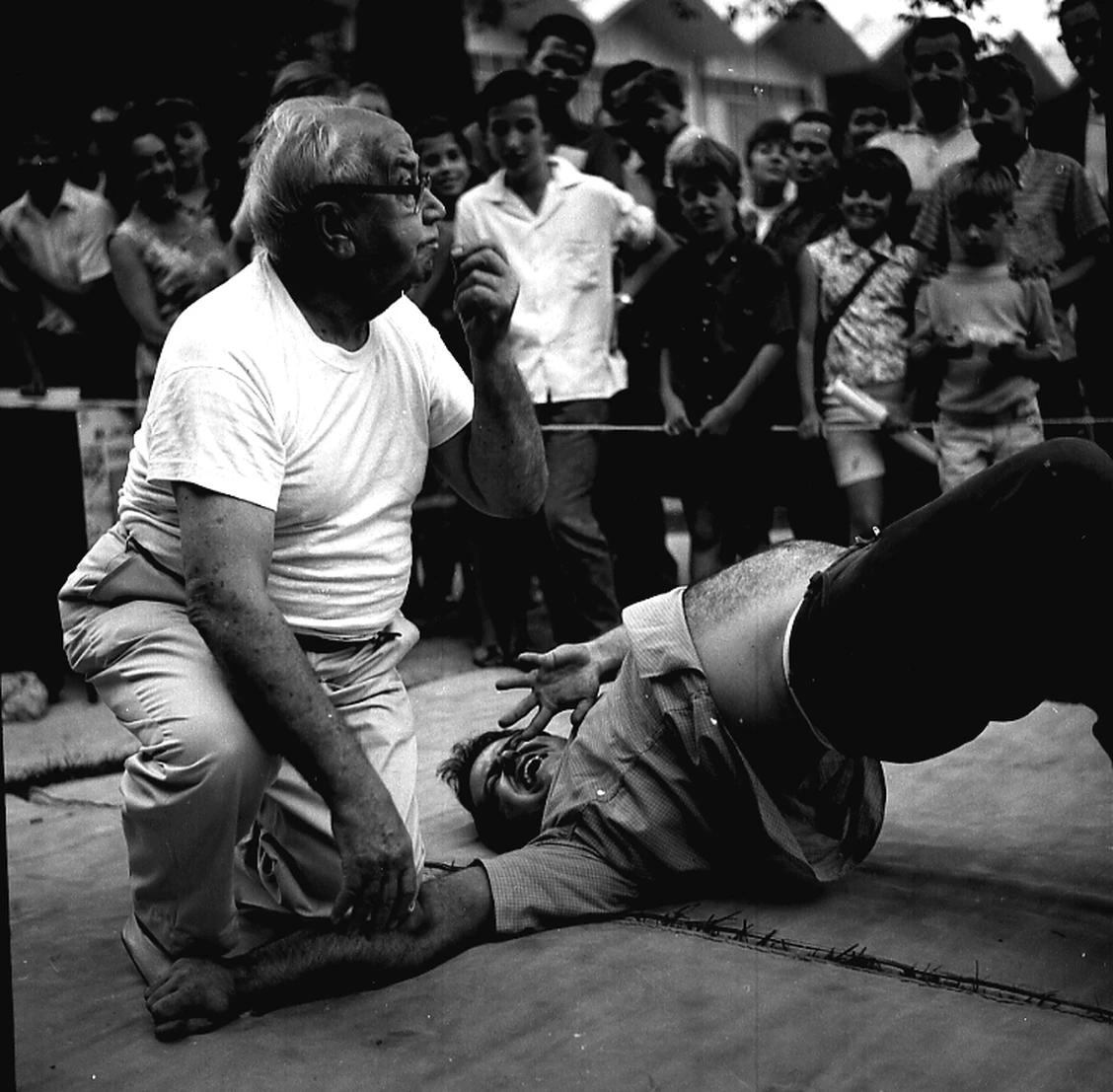
In 1981, while in his 80s, he demonstrated his techniques to members of the Canadian Airborne Regiment at the Canadian National Exhibition in Toronto. He was later invited to Petawawa, Ont., to teach Defendo to paratroopers.
His skills also attracted television audiences, where the contrast between Underwood's small stature and his ability to control much larger opponents became part of his public reputation.
In 1980, his life and work became the subject of the short documentary Don't Mess with Bill. The film was nominated for Documentary (Short Subject) at the 53rd Academy Awards in 1981.
Underwood died in February 1986 at the age of 90.
The Legacy of Combato
The history of martial arts in Canada's military is larger than the story of any single instructor or fighting system.
But Bill Underwood occupies an important place within that history.
His development of Combato helped introduce organized unarmed-combat instruction to Canadian military personnel during the Second World War. His later creation of Defendo demonstrated how techniques developed for war time service could be adapted to meet the very different needs of police officers and civilians.
Some aspects of Underwood's wartime career remain difficult to document, particularly stories involving intelligence organizations and classified training.
The central story is much clearer.
From First World War soldier to Second World War unarmed-combat instructor, Underwood helped establish an early Canadian approach to practical close-combat training.
More than a century after he began developing his techniques, his story offers a window into how Canadian soldiers learned to fight when a weapon was not available, and how martial arts became part of Canada's evolving military training tradition.